Environmental Health and Safety Courses and Training

We establish your EHS training needs

We establish your Environmental, Health and Safety (EHS) training needs, develop tailor made courses and programs, and advise follow-ups and reinforcement in the workplace.

Through our training, we ensure that the student is competent at the end of the training, and will be able to implement what they have learned.

Certified training professionals

The Fire & rescue team are all members of IASP (International Association of Safety Professionals) certified and undergo regular refresher training. Nevertheless, our firm has access to a wide range of Fire & Rescue specialists, with 10 years plus field experience in the Oil and Gas industry.

Training Courses

The following list provides an overview of various training course and programs we can provide based on the needs identified in Suriname and in Guyana. The company can offer a larger range of training courses and programs, but we have limited the outline to the most significant ones.

This training addresses all Federal, State & Local requirements for Operators certification.

This training is a Draigana Consultancy copyrighted program that we facilitated to meet training requirement for “LV” Light vehicle driving.

The Lock-Out/Tag-Out (LOTO) course is an Instructor led program that covers the servicing and maintenance of machines and equipment in which the unexpected energizing or startup of the machines or equipment, or release of stored energy could cause injury to employees.

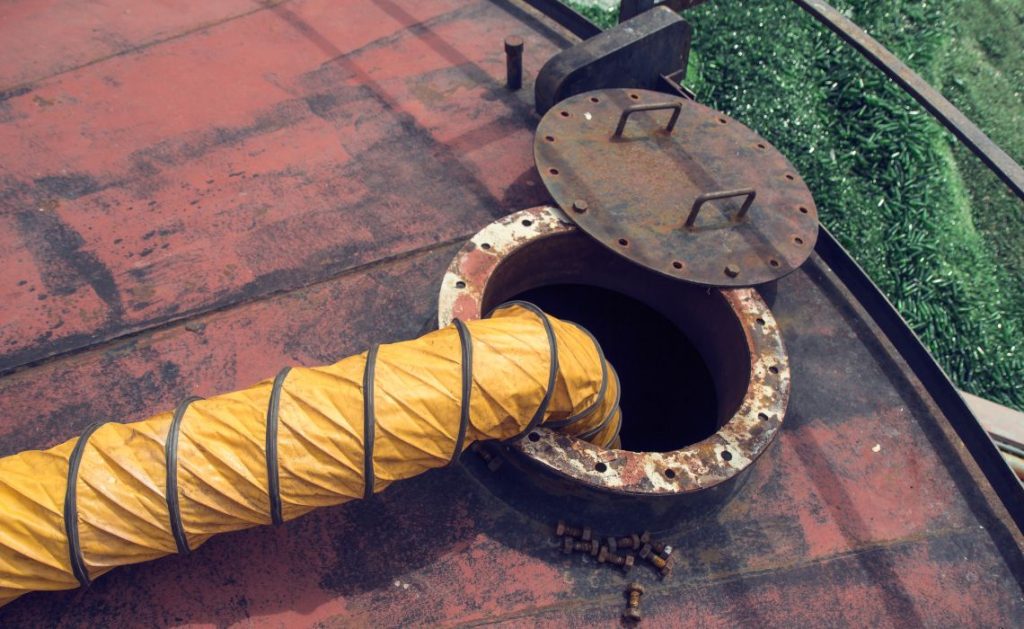
This course teaches students how to conduct rescues in their location’s permit-required confined spaces and serve as members of their location’s confined space rescue team. Successful completion of this class fulfills the confined space rescue training requirement stated in 29 CFR 1910.146 (k) (1) (ii) and follows the standards listed in NFPA 1670.  

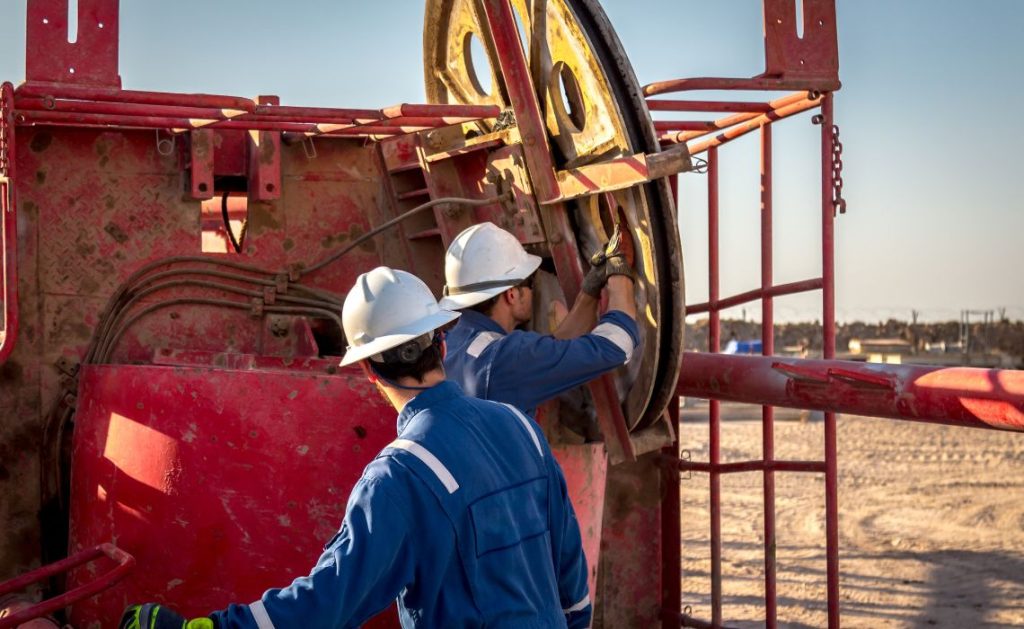
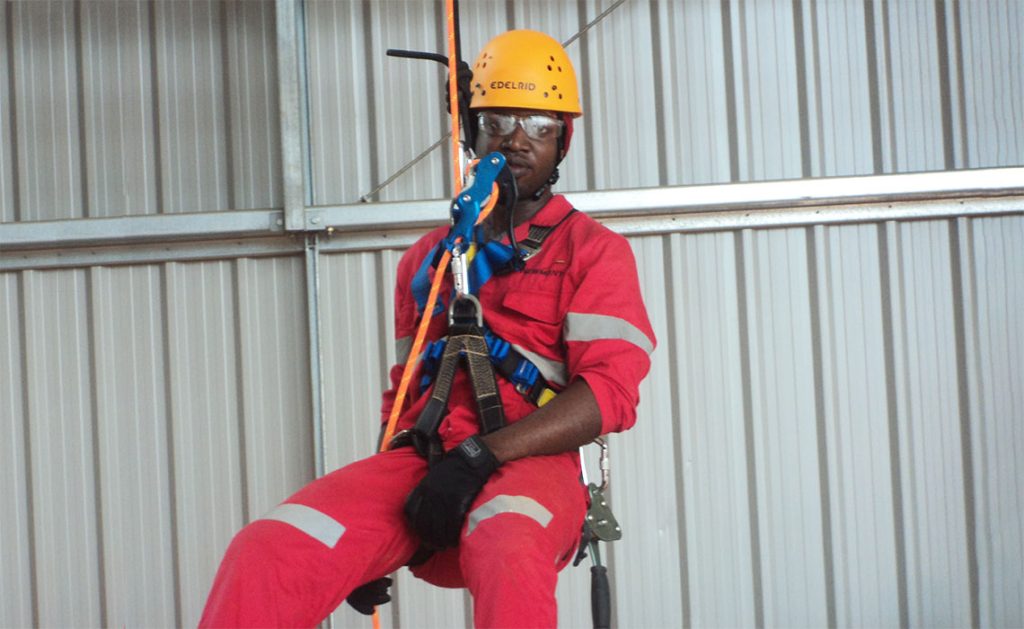
This course aimed at individuals required to work at height. It provides an overview of the hazards involved in working at height and awareness of how to these are assessed and controlled.

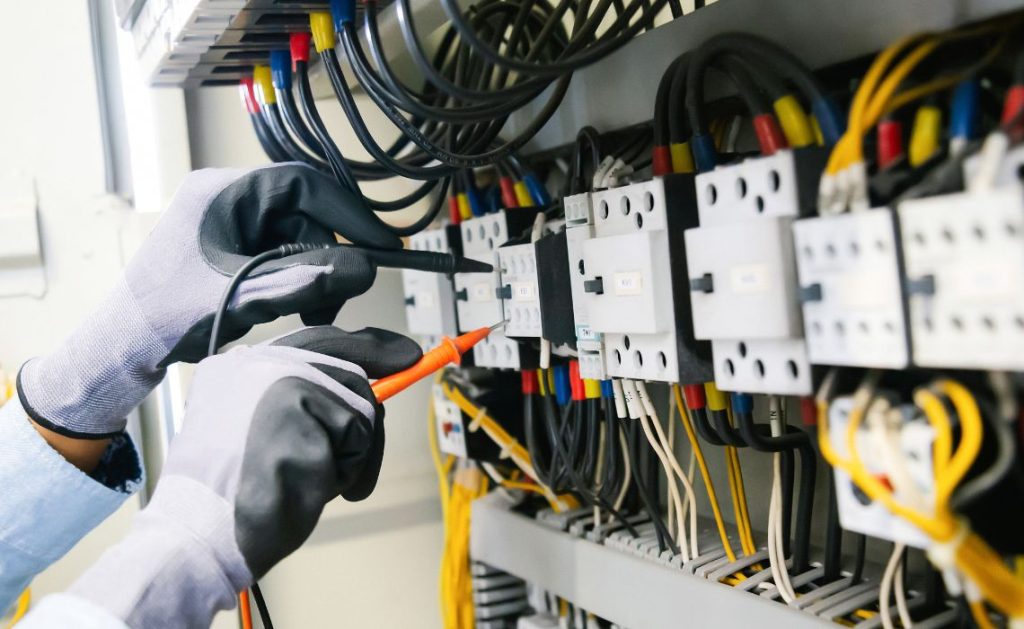
This course will be of benefit to technicians, machine operators, supervisors, field engineers, plant engineers and others who work around electrical systems. This course concentrates on educating unqualified personnel on how to understand electrical hazards, and the risks associated with energized equipment. This course will teach your employees to assess the hazards, control exposure and reduce the risks associated

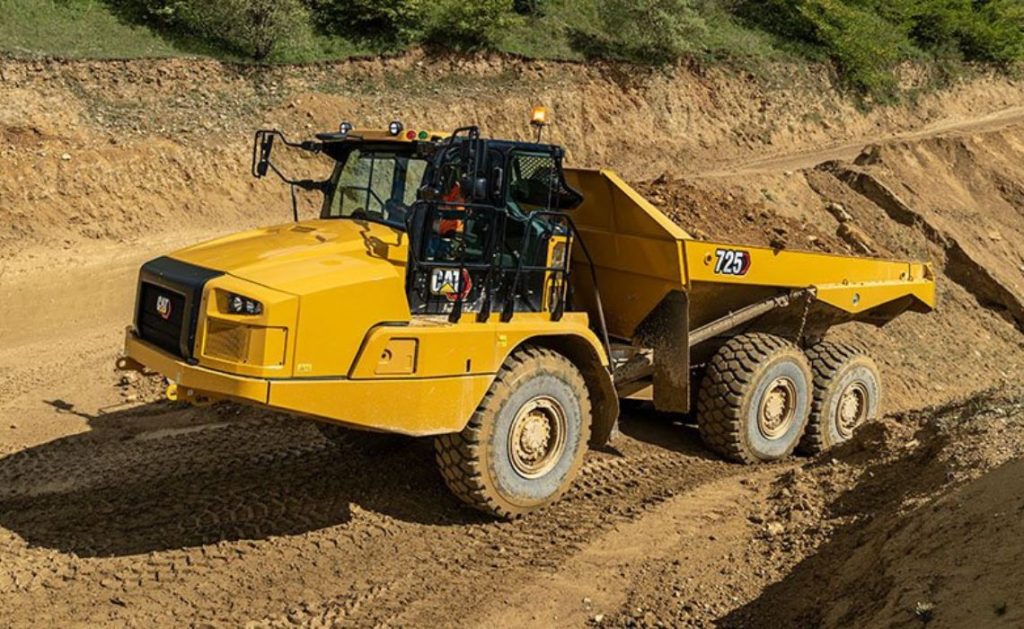
Off-Road Haul Truck training program provides participants with 4 hours of classroom training covering safe operation and hazards, as well as, practical operating experience with a performance evaluation. The classroom portion is designed to cover the OSHA standard(s) for Off-road Trucks and includes: Hazards of Off-road Trucks, Operator Responsibilities, Workplace Hazards, Safe Operation, Inspection, Load Capacities, Different Models, Written Test

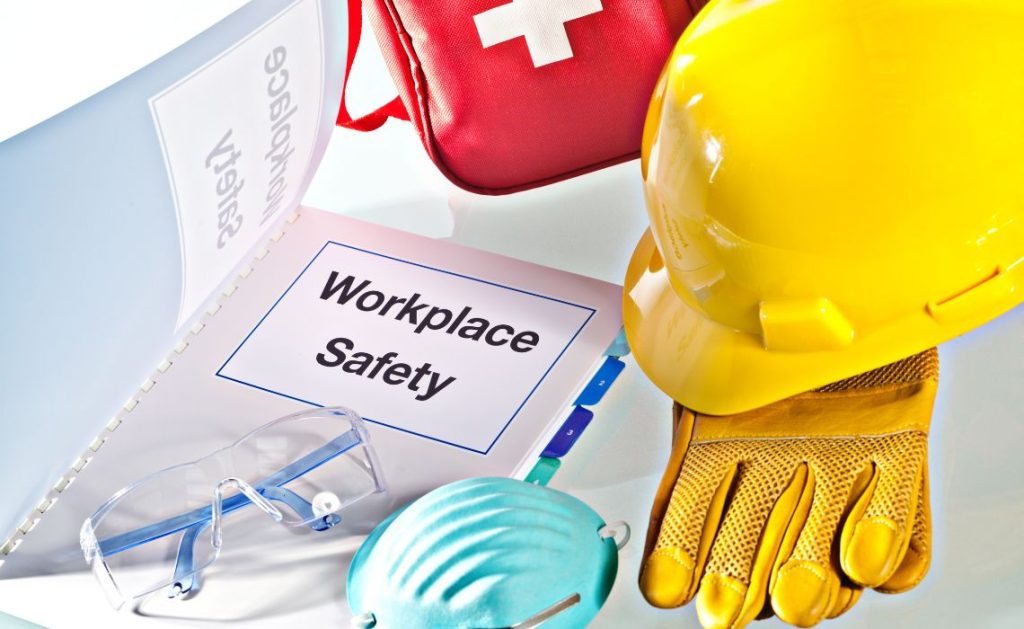
OSHAs general course addresses the safety requirements that any employee should be aware of and provides a comprehensive overview of general workplace safety that companies seek. At the end of this course, they will be able to identify sources of potential problems, the different types of hazards, and to control and respond to those hazards in the workplace.

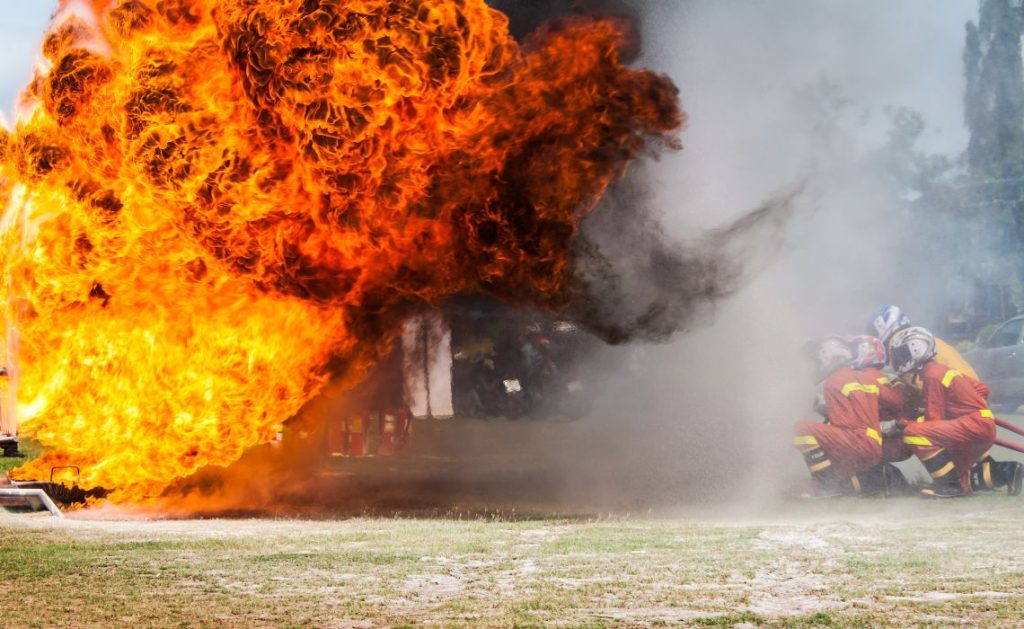
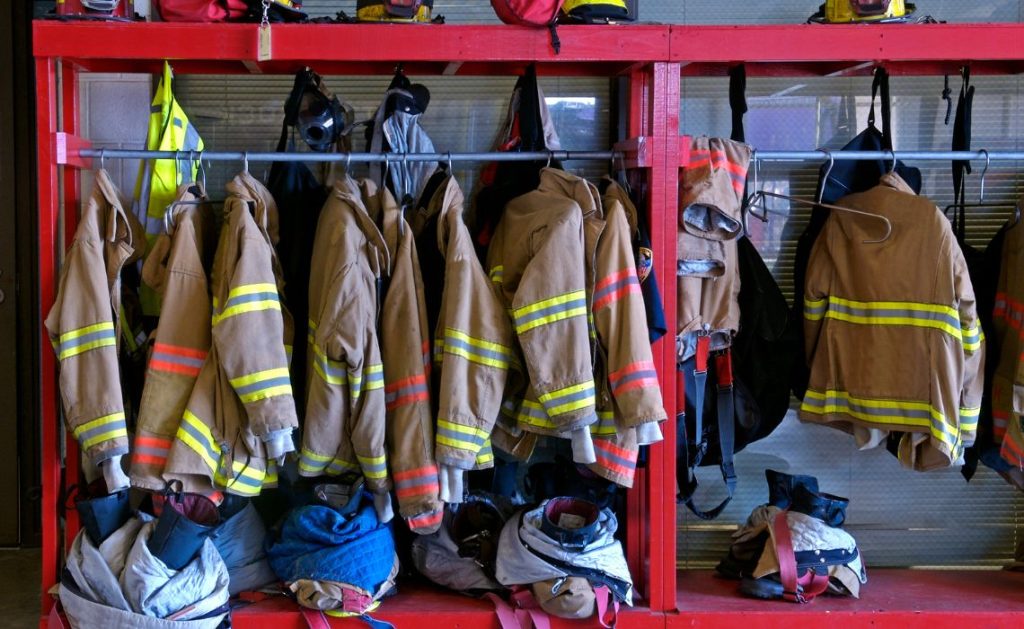
This course complies with the standards set by NFPA 1001 and provides a foundation of theory and practical skill development for trainee. Topics include the standard operating procedures, rules and regulations, safety initiatives, personal protective equipment, tools and equipment, ropes and knots, the chain of command and incident management, fire department communications, and teamwork. The course includes both theory and hands-on activities related to fire safety and emergency response-related skills.

This course is based on NFPA 1005: Standard for Professional Qualifications for Marine Fire Fighting for Land-Based Fire Fighter, 2019 Edition. The course is designed for individuals who respond to an incident and operate on a vessel while performing defensive and offensive functions inside the cold, warm, and hot zone on board a vessel. Emergency responders will learn how to identify and mitigate the many hazards associated with maritime domain. In addition, students will learn how to conduct emergency response planning at marine facilities, identify key vessel personnel, conduct a vessel inspection and discuss the many strategies and tactics fire fighters will use to control fires at marine facilities and onboard vessels.

This course provides detailed information, and the skills training required, to improve an individual’s level of comfort and confidence for safely and proficiently performing contact rescues in static and surf water conditions. Safety is strongly emphasized throughout the class. Risk management is reinforced during every skill to establish your level of comfort in the water and to identify and overcome your limitations. The entire course meets the requirements of swimming contact rescue of NFPA 1670 and NFPA 1006 Chapter 11, sections 11.2, Chapter 15, sections 15.2

This course is designed to provide operations-level and technician-level skills to all participants. The course meets all technician-level requirements outlined in the new Tower Rescue Chapter of NFPA 1670 (2014 Edition). Participants will become prepared for emergency response to high-angle rescue incidents involving communications towers, radio towers, and other man- made structures. Training topics include tower hazards, tower climbing equipment and techniques, tower rescue methods and RF safety.

“Prepare & prevent
instead of
repair & repent”

Let's meet !

We can offer the right support for your company!

Ready to check which services and training programs we can offer you? Click the button and let’s meet for a free consultation!